My work these days is largely about air pollution. This weekend I was at home, standing at the edge of the fields, and the contradiction I read about in reports was right in front of me: an economic need on one side, an environmental concern on the other.
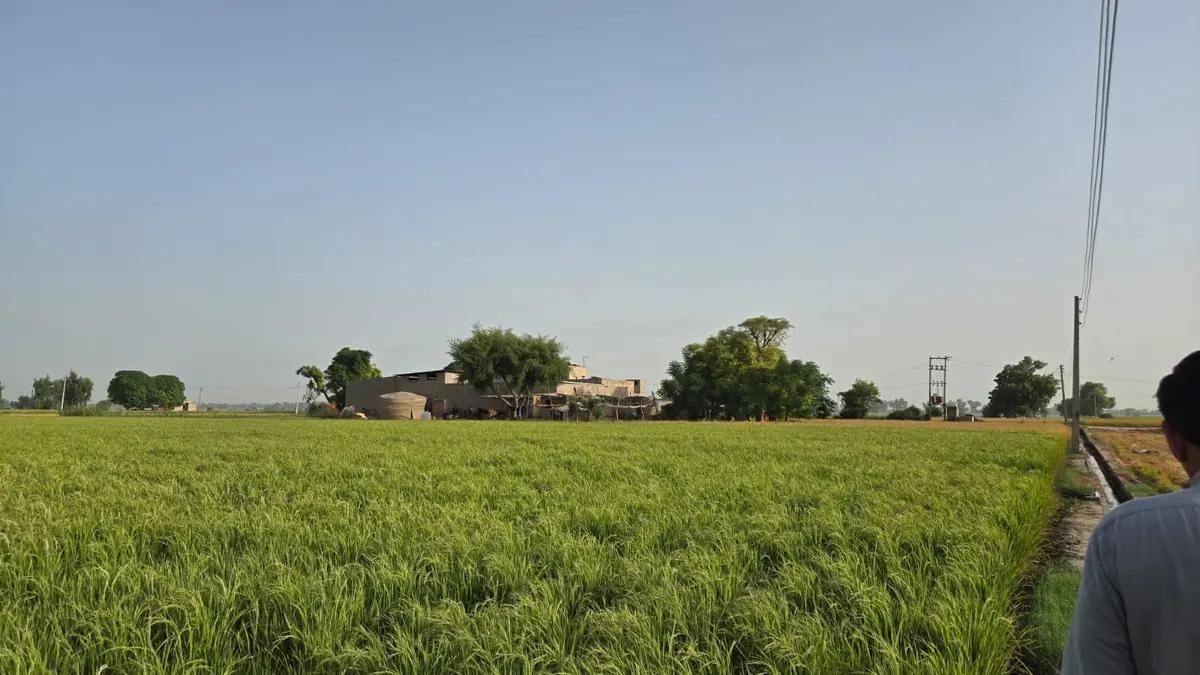
What is working
I want to start with the encouraging part. The ex situ and in situ efforts on crop residue, that is, managing it in the field or taking it out of the field for other uses, have started yielding some results. That matters, and the people doing that work deserve credit.
The question I keep coming back to
My concern has always been this. If we had put the same effort into market linkage, access and MSP for other crops, in reality and not just on paper, I believe things would have moved away from wheat and rice. Farmers are not attached to these two crops for sentimental reasons. They grow them because the system around them works: there is a buyer, there is a price they can count on.
A hard season
This has not been a good rice season. The harvest has been low and farmers are not happy. With the super El Niño, the wheat harvest also looks like it will be low. And still they will go back to the same two crops, because they do not see an alternative.
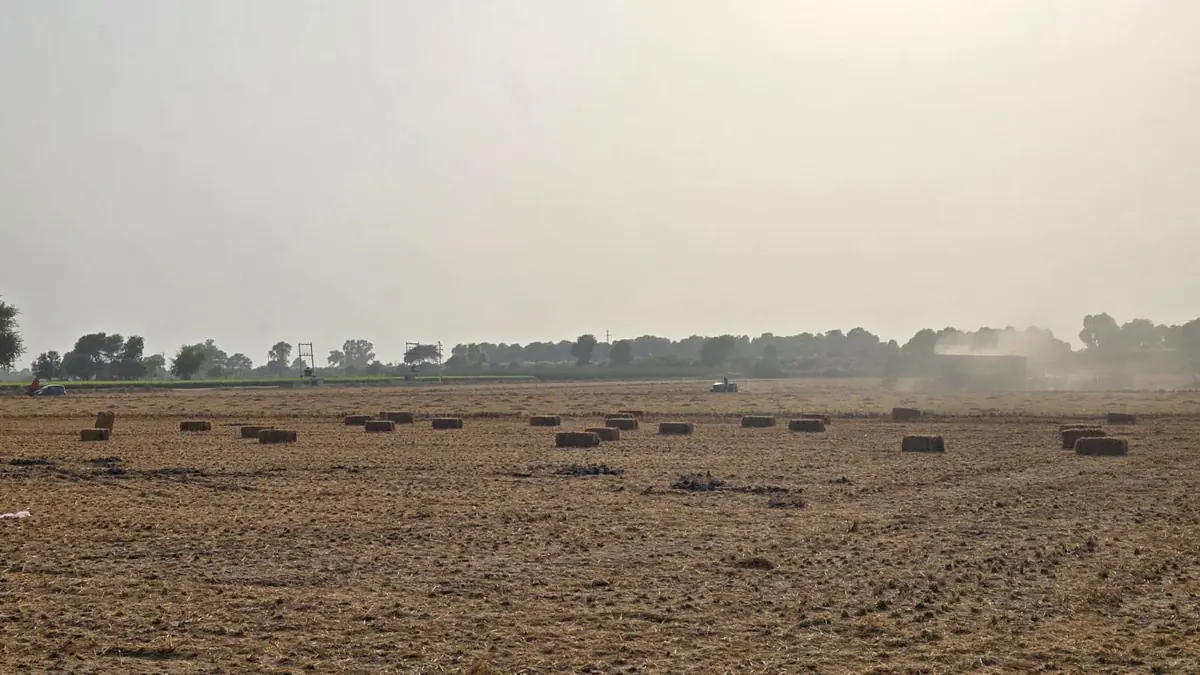
A combine harvester at work in the rice fields.
The alternatives are not simple. Vegetables need labour, and there is no labour available to support them. For other crops, there is no visibility of markets that will actually buy them. A farmer cannot be asked to bet a season on a buyer who exists only in a scheme document.
Do we lack vision?
I sometimes wonder if the problem is one of imagination. Flower growers in Africa, as I understand it, send flowers to Europe the same day they are plucked from the farm. Closer to home, Abohar has built a whole ecosystem around kinnow cultivation. So why can’t we have similar arrangements for other crops in other parts of the north Indian states?
My takeaway
Cleaner air will not come from asking farmers to stop growing wheat and rice alone. It will come when there is a visible, reliable market for something else, and when that alternative reaches the field in practice, not only in policy.
This is the question I carry from the policy room back to the village each time. If you work on air quality, rural livelihoods or market linkages and have seen it done well somewhere, I would like to hear from you via the contact page. You can read more about where I come from and the work I do.